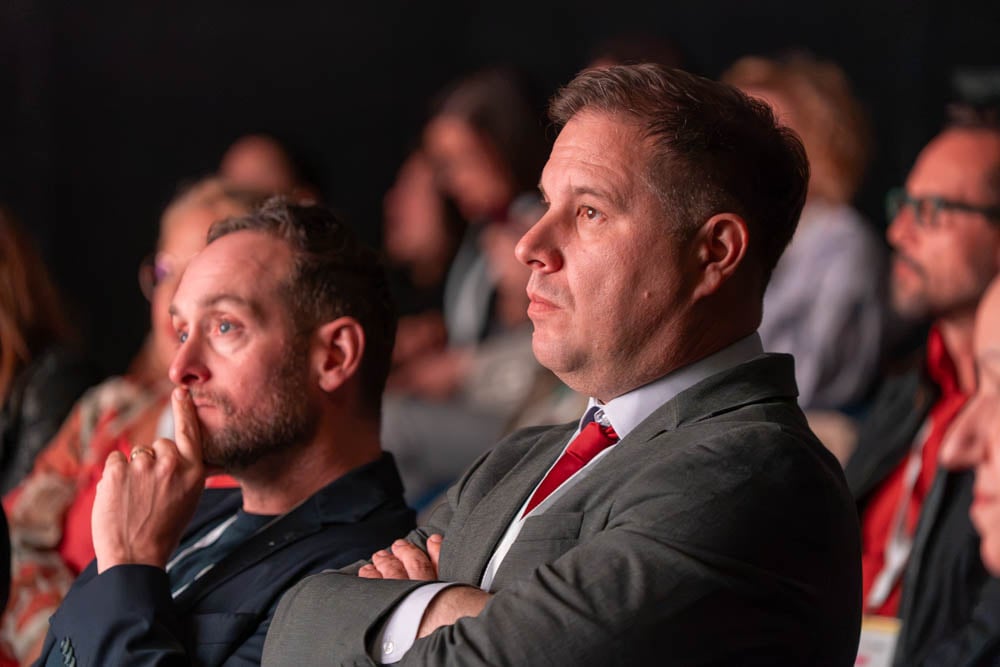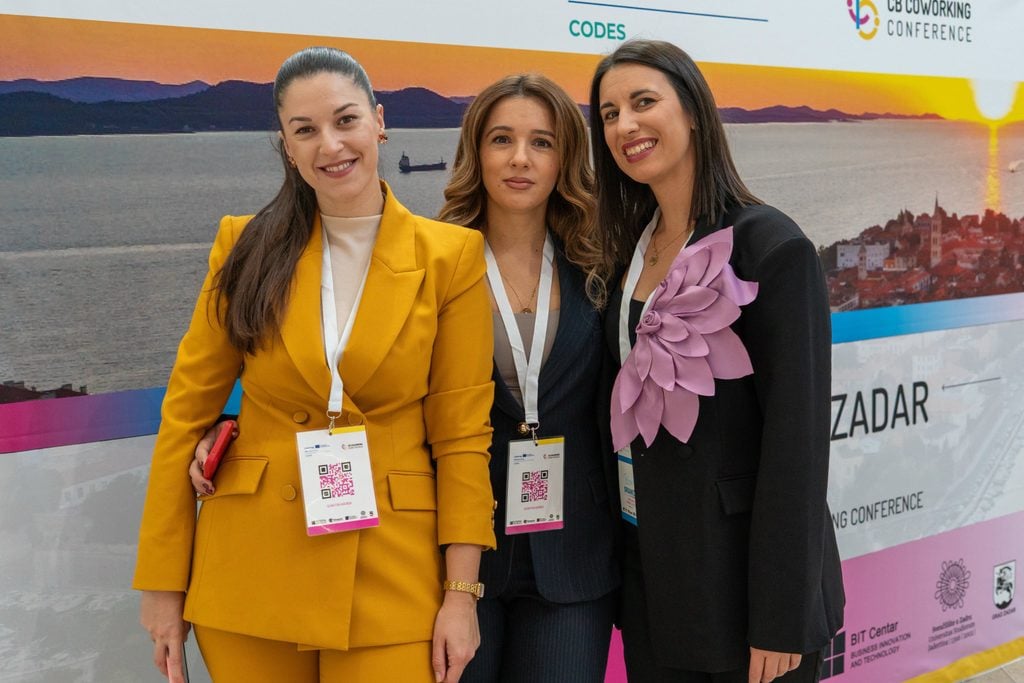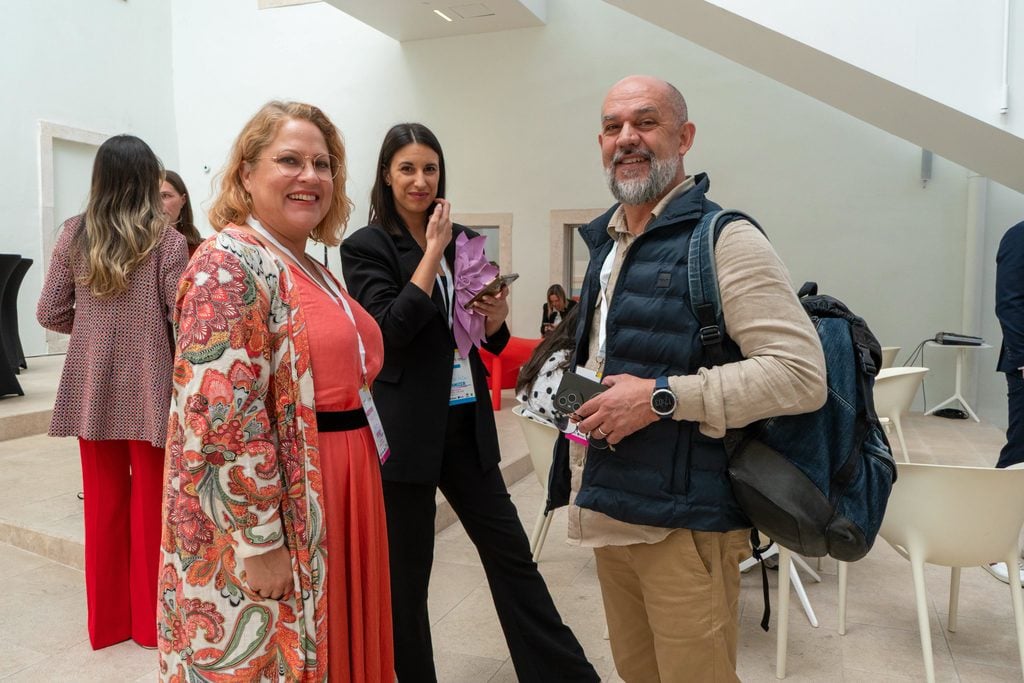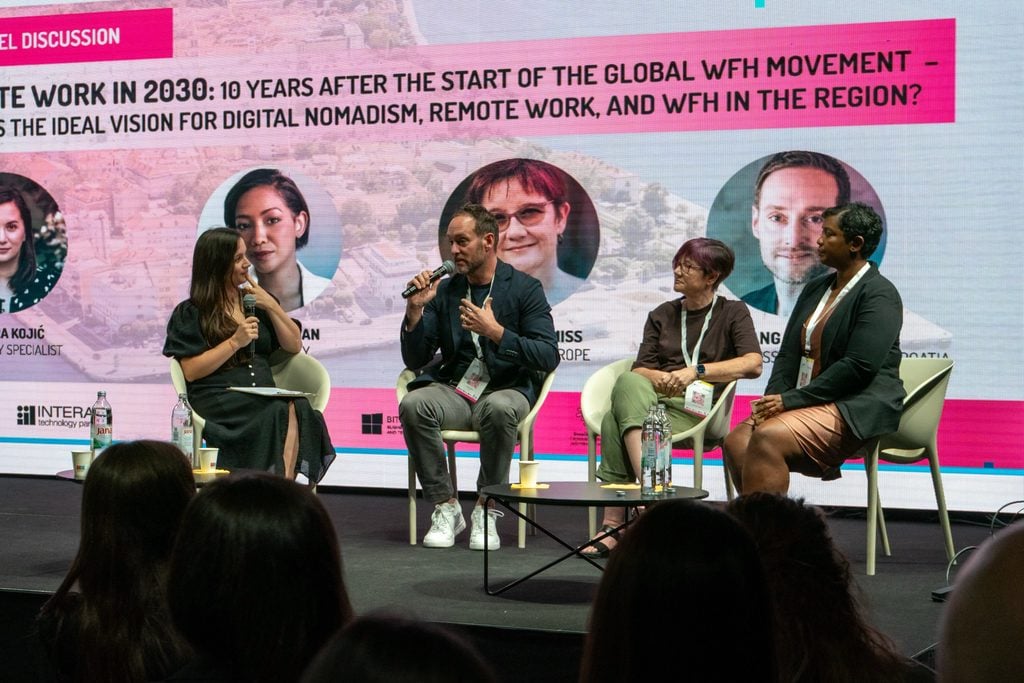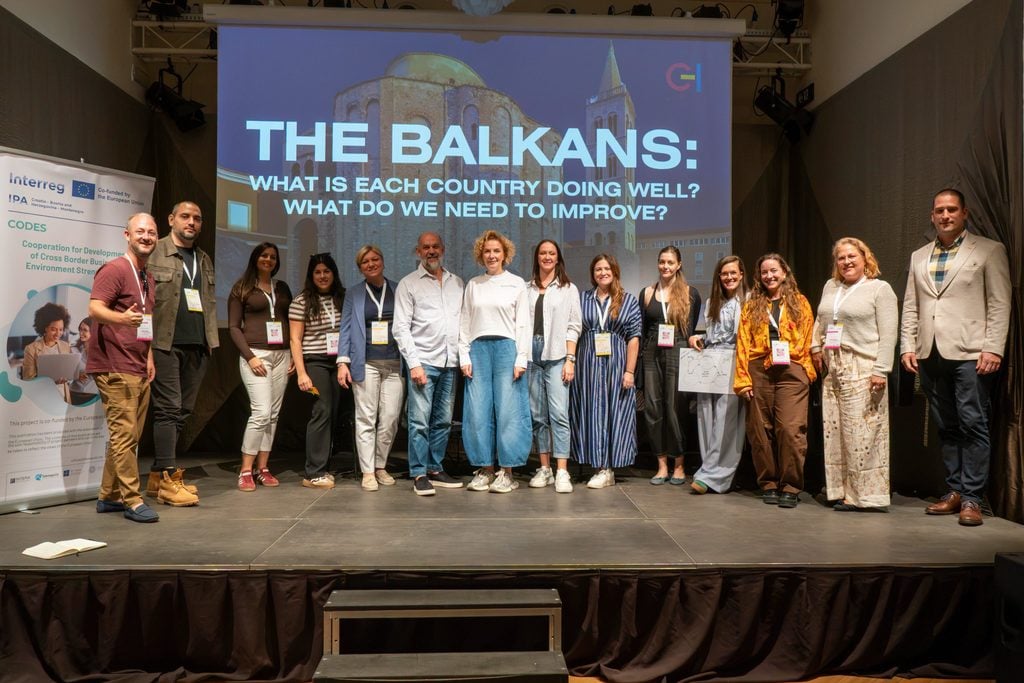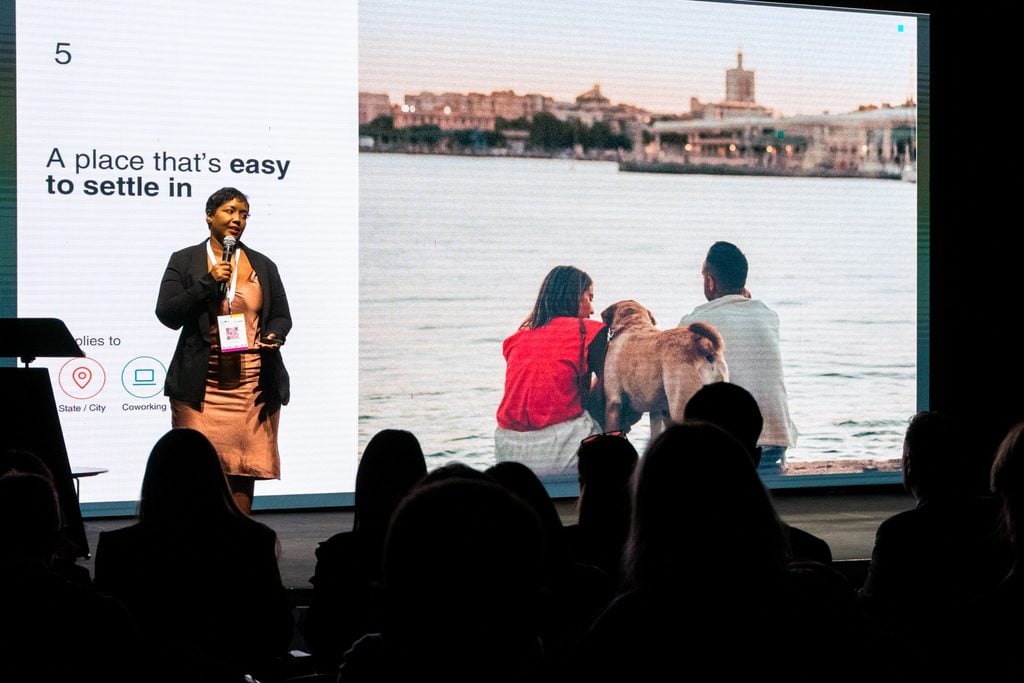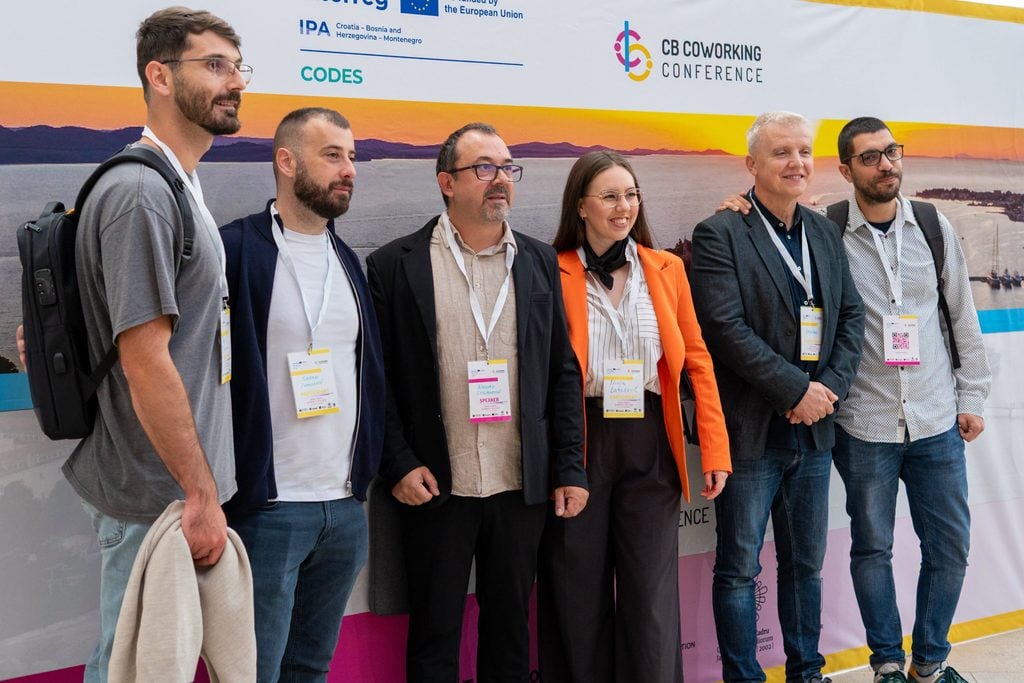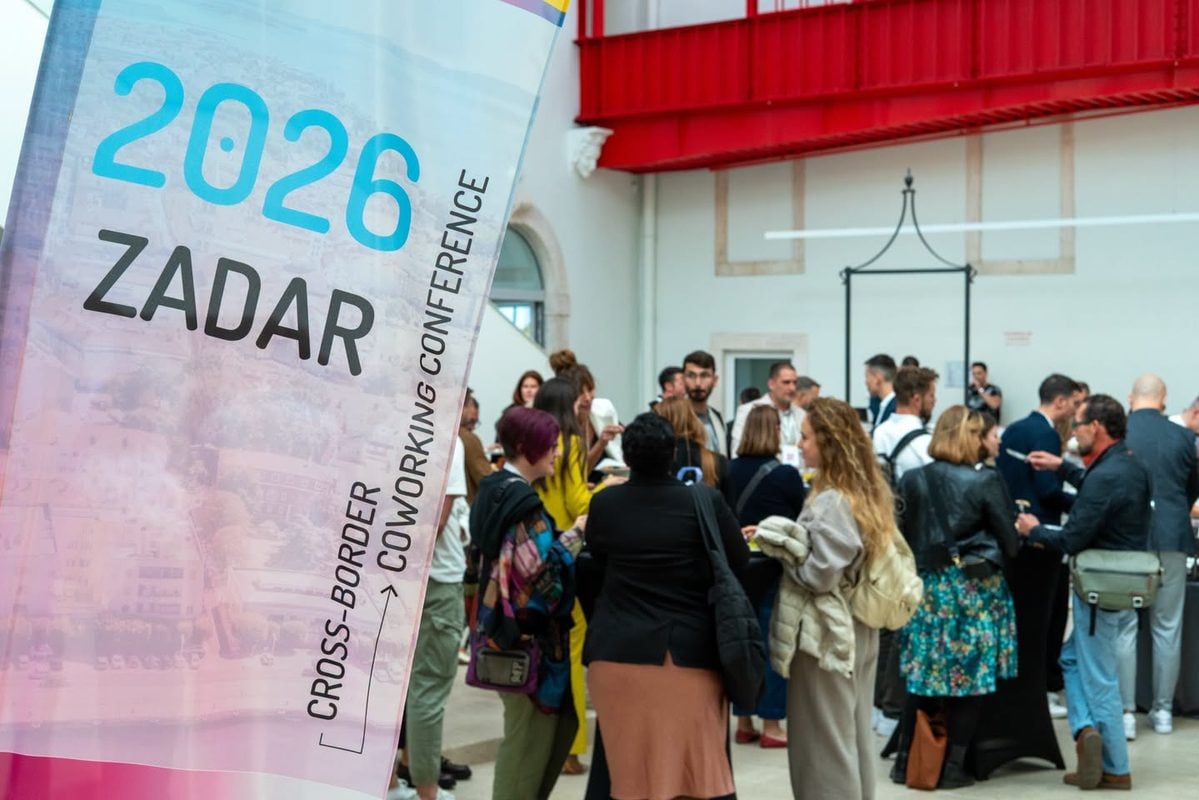
Sunny October days in Zadar and the authentic ambiance of the Rector’s Palace provided the perfect backdrop for the sixth edition of the Cross Border Coworking Conference (CBCC26). From October 12 to 15, the conference brought together professionals and visionaries, addressing key questions regarding modern work models, sustainable communities, and the economic potential that digital nomads bring to Croatia, Bosnia and Herzegovina, and Montenegro.
Through years of collaboration, the City of Zadar, INTERA Technology Park, IPC Tehnopolis, BIT Center Tuzla, and the University of Zadar have been driving concrete changes, opening up essential topics and new ideas for the region’s sustainable economy.
For the sixth year in a row, CBCC26 confirms that remote work is not just a passing trend, but a serious driver of regional development. Discussions covered a decade of the global Work From Home movement, focusing on what work will look like in 2030 and what image the region wants to build.
Participants analyzed the foundations of modern business and community:
- Artificial Intelligence as an Everyday Collaborator: Workshops offered concrete tools for integrating AI solutions into daily remote work processes.
- Lessons Learned from Coworking Practice: Honest “Anti-Pitch” workshops and experience-sharing among space owners and managers clearly defined common mistakes and best practices in community management.
- Revitalizing Rural Areas Through Coliving: A special focus was placed on depopulation and whether coliving concepts can breathe new life into sparsely populated villages and less developed municipalities.
- Families Without a Fixed Address: An important topic on nomadic life and parenting was brought to the floor, providing insights into maintaining family life without a permanent residence.
The conference once again confirmed the vital role of CODE Hubs, which have grown from initiatives launched through the European project CODES into permanent gathering places and knowledge-sharing hubs. Discussions on the comparative advantages of Balkan countries showed that success depends not only on infrastructure and working conditions, but on the people and opportunities created through these spaces.
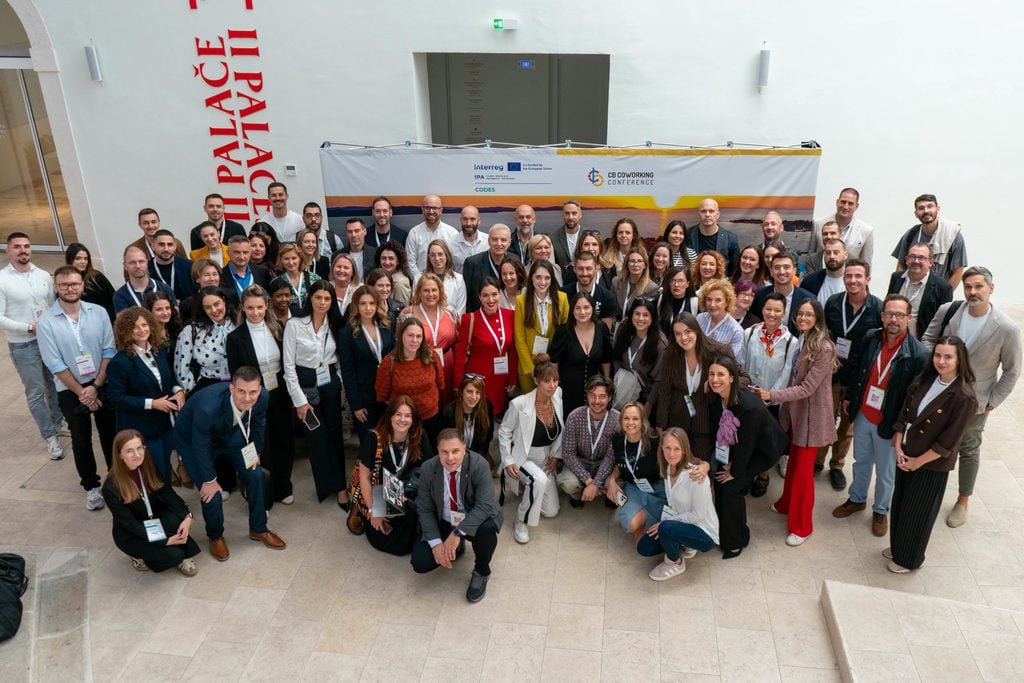
“The value of gatherings like this is reflected not only in the knowledge and ideas we exchange during the conference, but also in what we launch after it with institutional support. It is important for us to continue building a regional network that connects people, encourages the exchange of experiences, and turns good ideas into concrete opportunities for communities,” stated the organizers.
CBCC26 was organized by INTERA Technology Park, the City of Zadar, Innovation and Entrepreneurship Center Tehnopolis, BIT Center Tuzla, and the University of Zadar within the framework of the CODES project, co-financed by the European Union through the Interreg VI-A IPA Croatia – Bosnia and Herzegovina – Montenegro 2021–2027 program.
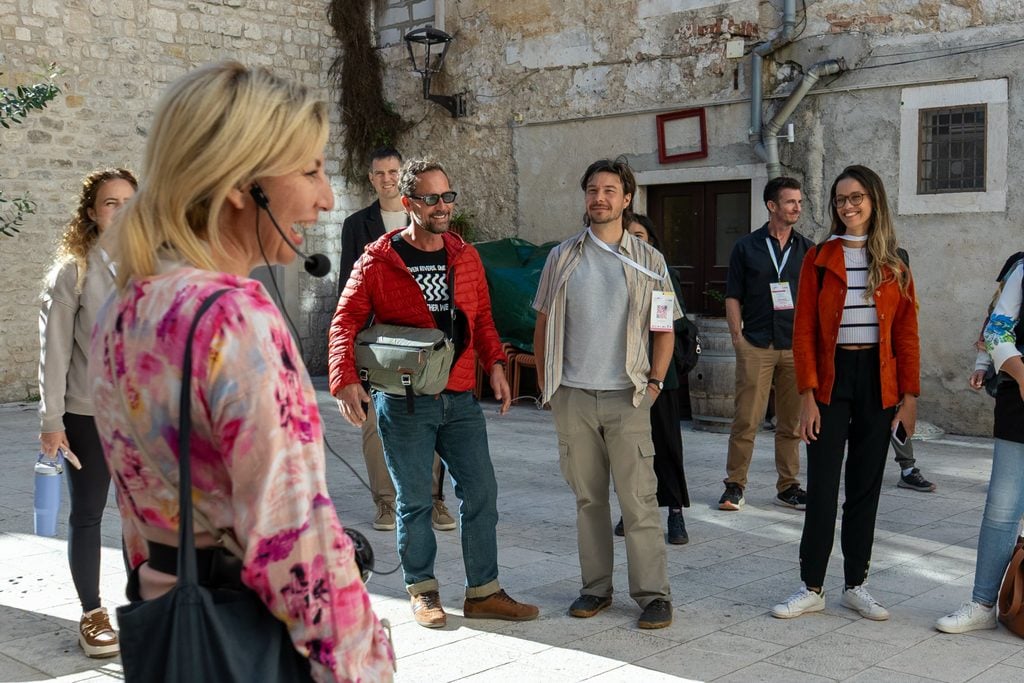
The working part of the conference concluded with a guided walking tour through the historic streets of Zadar and a sunset on the coast—a reminder of why it is so easy to fall in love with this city and region. People leave Zadar not just with notes, but with lasting partnerships and ideas.
Till next year.